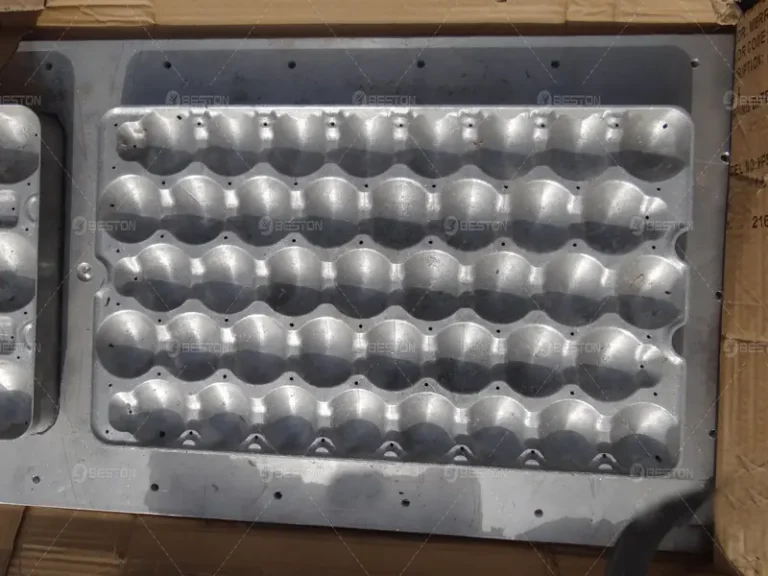
The food packaging industry is rapidly evolving toward sustainable and functional solutions. Among the technologies leading this shift, the egg carton box making machine plays a pivotal role in producing protective, biodegradable, and cost-efficient packaging formats. Its application now extends far beyond traditional egg containment.
Core Use in Egg Packaging
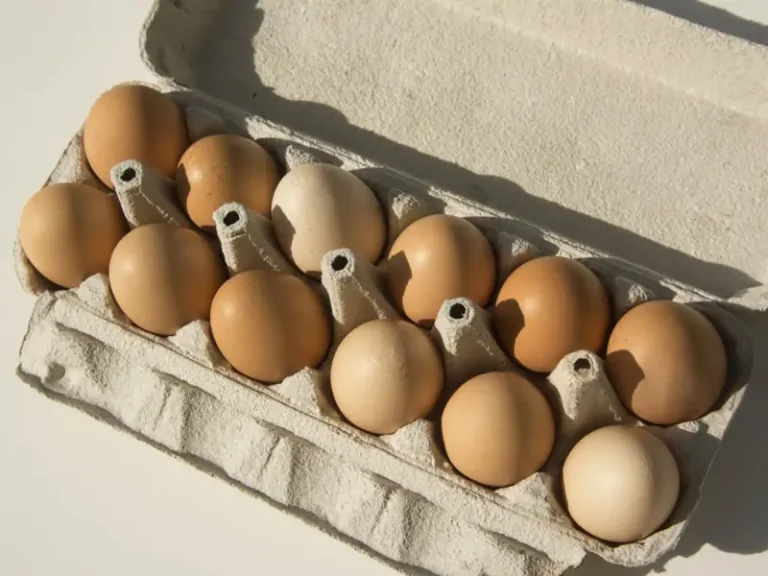
The primary application remains the production of molded pulp egg cartons—typically designed to hold 6, 10, or 12 eggs securely. These cartons provide shock absorption, breathability, and a protective barrier during storage and transit. The egg carton box making machine ensures precision in mold formation, resulting in uniform cavity depth, dimensional stability, and edge consistency. These characteristics are critical for high-speed packing lines and automated retail distribution systems.
In commercial poultry operations, the use of such machines ensures high-volume output with minimal product rejection, directly contributing to operational efficiency.
Expansion into Fruit and Produce Protection
While eggs are the standard product, many food producers repurpose the pulp molding machine to manufacture pulp packaging for delicate produce such as avocados, peaches, figs, and tomatoes. These items require compartmentalized protection to prevent bruising and degradation during transportation.
The machine’s adaptability to custom mold designs enables it to produce produce trays that mimic the contour of the item, thereby optimizing space utilization and minimizing product damage. This modular design capability is particularly beneficial for agricultural cooperatives and food exporters targeting overseas markets.
Safe Transport of Confectionery and Baked Goods
In artisanal food sectors, the demand for compostable, presentation-friendly packaging has grown. The egg carton box making machine is frequently employed to fabricate trays and inserts for chocolates, cupcakes, and gourmet pastries. These pulp forms act as both protective layers and visual presentation components.
Owing to its ability to form multi-cavity structures with clean lines and defined partitions, the machine supports both function and aesthetics—key considerations in the high-end food gift industry.
Ready-to-Eat and Takeaway Food Containers
Restaurants and meal-prep services are increasingly exploring molded pulp as an alternative to plastic clamshells. The egg carton box making machine, when fitted with suitable dies, can produce compartmented trays for takeaway packaging. These trays are oven-safe, microwave-safe, and fully compostable.
This application is particularly relevant in regions enforcing single-use plastic bans or imposing green packaging mandates. By reconfiguring mold sets, foodservice providers can align their packaging solutions with evolving regulatory standards.
Eco-Friendly Branding and Customization
Beyond physical utility, the molded pulp trays serve as branding surfaces. Using embossing techniques integrated into the mold design, logos and handling instructions can be embedded directly into the packaging. This reduces the need for secondary printing or labeling while enhancing brand recognition in eco-conscious markets.
Conclusion
The egg carton box making machine has transitioned from a niche production tool to a multifunctional asset in the food packaging sector. Its role in enabling sustainable packaging—from egg trays to specialty food containers—demonstrates both its technical versatility and strategic value in meeting the modern demands of efficiency, protection, and environmental compliance.